
-
Lord Shiva Meditative Wall Art Canvas – Mahadev Spiritual Painting for Living Room, Bedroom & Pooja Room Decor
Regular price From ₹ 1,289.00Regular priceUnit price per₹ 2,789.00Sale price From ₹ 1,289.00Lord Shiva Meditative Wall Art Canvas – Mahadev Spiritual Painting for Living Room, Bedroom & Pooja Room Decor
Regular price From ₹ 1,289.00Regular priceUnit price per₹ 2,789.00Sale price From ₹ 1,289.00Lord Shiva Meditative Wall Art Canvas – Mahadev Spiritual Painting for Living Room, Bedroom & Pooja Room Decor
Regular price From ₹ 1,289.00Regular priceUnit price per₹ 2,789.00Sale price From ₹ 1,289.00Sale -
Blue Shiva Abstract Wall Painting | Modern Spiritual Canvas Art for Living Room & Home Decor
Regular price From ₹ 1,289.00Regular priceUnit price per₹ 2,789.00Sale price From ₹ 1,289.00Blue Shiva Abstract Wall Painting | Modern Spiritual Canvas Art for Living Room & Home Decor
Regular price From ₹ 1,289.00Regular priceUnit price per₹ 2,789.00Sale price From ₹ 1,289.00Blue Shiva Abstract Wall Painting | Modern Spiritual Canvas Art for Living Room & Home Decor
Regular price From ₹ 1,289.00Regular priceUnit price per₹ 2,789.00Sale price From ₹ 1,289.00Sale -
Lord Shiva Trishul Abstract Canvas Painting – Modern Spiritual Wall Art Canvas Painting Frame for Living Room
Regular price From ₹ 1,289.00Regular priceUnit price per₹ 2,789.00Sale price From ₹ 1,289.00Lord Shiva Trishul Abstract Canvas Painting – Modern Spiritual Wall Art Canvas Painting Frame for Living Room
Regular price From ₹ 1,289.00Regular priceUnit price per₹ 2,789.00Sale price From ₹ 1,289.00Lord Shiva Trishul Abstract Canvas Painting – Modern Spiritual Wall Art Canvas Painting Frame for Living Room
Regular price From ₹ 1,289.00Regular priceUnit price per₹ 2,789.00Sale price From ₹ 1,289.00Sale -
Shiv Parvati Traditional Folk Art Canvas Wall Painting | Hindu God Spiritual Wall Art for Home & Temple Decor
Regular price From ₹ 1,289.00Regular priceUnit price per₹ 2,789.00Sale price From ₹ 1,289.00Shiv Parvati Traditional Folk Art Canvas Wall Painting | Hindu God Spiritual Wall Art for Home & Temple Decor
Regular price From ₹ 1,289.00Regular priceUnit price per₹ 2,789.00Sale price From ₹ 1,289.00Shiv Parvati Traditional Folk Art Canvas Wall Painting | Hindu God Spiritual Wall Art for Home & Temple Decor
Regular price From ₹ 1,289.00Regular priceUnit price per₹ 2,789.00Sale price From ₹ 1,289.00Sale -

Shiv Parvati Folk Art Canvas Wall Painting | Traditional Hindu God Wall Art for Home & Temple Decor
Regular price From ₹ 1,289.00Regular priceUnit price per₹ 2,789.00Sale price From ₹ 1,289.00Shiv Parvati Folk Art Canvas Wall Painting | Traditional Hindu God Wall Art for Home & Temple Decor
Regular price From ₹ 1,289.00Regular priceUnit price per₹ 2,789.00Sale price From ₹ 1,289.00Shiv Parvati Folk Art Canvas Wall Painting | Traditional Hindu God Wall Art for Home & Temple Decor
Regular price From ₹ 1,289.00Regular priceUnit price per₹ 2,789.00Sale price From ₹ 1,289.00Sale -

Shiv Parvati Abstract Canvas Wall Art | Romantic Spiritual Painting for Home Decor & Living Room
Regular price From ₹ 1,289.00Regular priceUnit price per₹ 2,789.00Sale price From ₹ 1,289.00Shiv Parvati Abstract Canvas Wall Art | Romantic Spiritual Painting for Home Decor & Living Room
Regular price From ₹ 1,289.00Regular priceUnit price per₹ 2,789.00Sale price From ₹ 1,289.00Shiv Parvati Abstract Canvas Wall Art | Romantic Spiritual Painting for Home Decor & Living Room
Regular price From ₹ 1,289.00Regular priceUnit price per₹ 2,789.00Sale price From ₹ 1,289.00Sale -
Shiv Parvati Ganesh Divine Family Wall Painting | Spiritual Canvas Art for Home Decor
Regular price From ₹ 1,289.00Regular priceUnit price per₹ 2,789.00Sale price From ₹ 1,289.00Shiv Parvati Ganesh Divine Family Wall Painting | Spiritual Canvas Art for Home Decor
Regular price From ₹ 1,289.00Regular priceUnit price per₹ 2,789.00Sale price From ₹ 1,289.00Shiv Parvati Ganesh Divine Family Wall Painting | Spiritual Canvas Art for Home Decor
Regular price From ₹ 1,289.00Regular priceUnit price per₹ 2,789.00Sale price From ₹ 1,289.00Sale -
Shiv Parvati Abstract Wall Painting | Modern Spiritual Canvas Art for Living Room & Home Decor
Regular price From ₹ 1,289.00Regular priceUnit price per₹ 2,789.00Sale price From ₹ 1,289.00Shiv Parvati Abstract Wall Painting | Modern Spiritual Canvas Art for Living Room & Home Decor
Regular price From ₹ 1,289.00Regular priceUnit price per₹ 2,789.00Sale price From ₹ 1,289.00Shiv Parvati Abstract Wall Painting | Modern Spiritual Canvas Art for Living Room & Home Decor
Regular price From ₹ 1,289.00Regular priceUnit price per₹ 2,789.00Sale price From ₹ 1,289.00Sale -
Lord Shiva Trishul Canvas Painting Frame | Minimal Abstract Shiva Wall Art | Powerful Spiritual Canvas Wall Decor for Living Room
Regular price From ₹ 1,289.00Regular priceUnit price per₹ 2,789.00Sale price From ₹ 1,289.00Lord Shiva Trishul Canvas Painting Frame | Minimal Abstract Shiva Wall Art | Powerful Spiritual Canvas Wall Decor for Living Room
Regular price From ₹ 1,289.00Regular priceUnit price per₹ 2,789.00Sale price From ₹ 1,289.00Lord Shiva Trishul Canvas Painting Frame | Minimal Abstract Shiva Wall Art | Powerful Spiritual Canvas Wall Decor for Living Room
Regular price From ₹ 1,289.00Regular priceUnit price per₹ 2,789.00Sale price From ₹ 1,289.00Sale -
Modern Lord Shiva Canvas Painting Frame | Meditative Shiva Abstract Wall Art | Large Spiritual Canvas Wall Decor for Living Room
Regular price From ₹ 1,289.00Regular priceUnit price per₹ 2,789.00Sale price From ₹ 1,289.00Modern Lord Shiva Canvas Painting Frame | Meditative Shiva Abstract Wall Art | Large Spiritual Canvas Wall Decor for Living Room
Regular price From ₹ 1,289.00Regular priceUnit price per₹ 2,789.00Sale price From ₹ 1,289.00Modern Lord Shiva Canvas Painting Frame | Meditative Shiva Abstract Wall Art | Large Spiritual Canvas Wall Decor for Living Room
Regular price From ₹ 1,289.00Regular priceUnit price per₹ 2,789.00Sale price From ₹ 1,289.00Sale -
Shiv Parvati Watercolor Canvas Painting Frame | Minimal Divine Couple Wall Art | Large Spiritual Canvas Wall Decor for Living Room
Regular price From ₹ 1,289.00Regular priceUnit price per₹ 2,789.00Sale price From ₹ 1,289.00Shiv Parvati Watercolor Canvas Painting Frame | Minimal Divine Couple Wall Art | Large Spiritual Canvas Wall Decor for Living Room
Regular price From ₹ 1,289.00Regular priceUnit price per₹ 2,789.00Sale price From ₹ 1,289.00Shiv Parvati Watercolor Canvas Painting Frame | Minimal Divine Couple Wall Art | Large Spiritual Canvas Wall Decor for Living Room
Regular price From ₹ 1,289.00Regular priceUnit price per₹ 2,789.00Sale price From ₹ 1,289.00Sale -
Shiv Parvati Canvas Painting Frame | Divine Shiva Parvati Couple Wall Art | Large Spiritual Canvas Wall Decor for Living Room
Regular price From ₹ 1,289.00Regular priceUnit price per₹ 2,789.00Sale price From ₹ 1,289.00Shiv Parvati Canvas Painting Frame | Divine Shiva Parvati Couple Wall Art | Large Spiritual Canvas Wall Decor for Living Room
Regular price From ₹ 1,289.00Regular priceUnit price per₹ 2,789.00Sale price From ₹ 1,289.00Shiv Parvati Canvas Painting Frame | Divine Shiva Parvati Couple Wall Art | Large Spiritual Canvas Wall Decor for Living Room
Regular price From ₹ 1,289.00Regular priceUnit price per₹ 2,789.00Sale price From ₹ 1,289.00Sale -
Lord Shiva Meditation Canvas Painting Frame Spiritual Wall Decor for Living Room
Regular price From ₹ 1,289.00Regular priceUnit price per₹ 2,789.00Sale price From ₹ 1,289.00Lord Shiva Meditation Canvas Painting Frame Spiritual Wall Decor for Living Room
Regular price From ₹ 1,289.00Regular priceUnit price per₹ 2,789.00Sale price From ₹ 1,289.00Lord Shiva Meditation Canvas Painting Frame Spiritual Wall Decor for Living Room
Regular price From ₹ 1,289.00Regular priceUnit price per₹ 2,789.00Sale price From ₹ 1,289.00Sale -
Shiv Parvati Canvas Painting Frame | Divine Couple Spiritual Wall Art for Living Room
Regular price From ₹ 1,289.00Regular priceUnit price per₹ 2,789.00Sale price From ₹ 1,289.00Shiv Parvati Canvas Painting Frame | Divine Couple Spiritual Wall Art for Living Room
Regular price From ₹ 1,289.00Regular priceUnit price per₹ 2,789.00Sale price From ₹ 1,289.00Shiv Parvati Canvas Painting Frame | Divine Couple Spiritual Wall Art for Living Room
Regular price From ₹ 1,289.00Regular priceUnit price per₹ 2,789.00Sale price From ₹ 1,289.00Sale -
Shiv Parvati Nandi Canvas Painting Frame | Divine Spiritual Wall Art for Living Room Decor
Regular price From ₹ 1,289.00Regular priceUnit price per₹ 2,789.00Sale price From ₹ 1,289.00Shiv Parvati Nandi Canvas Painting Frame | Divine Spiritual Wall Art for Living Room Decor
Regular price From ₹ 1,289.00Regular priceUnit price per₹ 2,789.00Sale price From ₹ 1,289.00Shiv Parvati Nandi Canvas Painting Frame | Divine Spiritual Wall Art for Living Room Decor
Regular price From ₹ 1,289.00Regular priceUnit price per₹ 2,789.00Sale price From ₹ 1,289.00Sale -
Shiv Parvati Canvas Painting Frame | Artistic Spiritual Wall Art for Living Room Decor
Regular price From ₹ 1,289.00Regular priceUnit price per₹ 2,789.00Sale price From ₹ 1,289.00Shiv Parvati Canvas Painting Frame | Artistic Spiritual Wall Art for Living Room Decor
Regular price From ₹ 1,289.00Regular priceUnit price per₹ 2,789.00Sale price From ₹ 1,289.00Shiv Parvati Canvas Painting Frame | Artistic Spiritual Wall Art for Living Room Decor
Regular price From ₹ 1,289.00Regular priceUnit price per₹ 2,789.00Sale price From ₹ 1,289.00Sale -
Kedarnath Temple Canvas Painting Frame | Lord Shiva Spiritual Wall Art for Living Room Decor
Regular price From ₹ 1,289.00Regular priceUnit price per₹ 2,789.00Sale price From ₹ 1,289.00Kedarnath Temple Canvas Painting Frame | Lord Shiva Spiritual Wall Art for Living Room Decor
Regular price From ₹ 1,289.00Regular priceUnit price per₹ 2,789.00Sale price From ₹ 1,289.00Kedarnath Temple Canvas Painting Frame | Lord Shiva Spiritual Wall Art for Living Room Decor
Regular price From ₹ 1,289.00Regular priceUnit price per₹ 2,789.00Sale price From ₹ 1,289.00Sale -
Shiv Parvati Canvas Painting Frame | Divine Love Spiritual Wall Art for Living Room Decor
Regular price From ₹ 1,289.00Regular priceUnit price per₹ 2,789.00Sale price From ₹ 1,289.00Shiv Parvati Canvas Painting Frame | Divine Love Spiritual Wall Art for Living Room Decor
Regular price From ₹ 1,289.00Regular priceUnit price per₹ 2,789.00Sale price From ₹ 1,289.00Shiv Parvati Canvas Painting Frame | Divine Love Spiritual Wall Art for Living Room Decor
Regular price From ₹ 1,289.00Regular priceUnit price per₹ 2,789.00Sale price From ₹ 1,289.00Sale -
Om Namah Shivaya Canvas Painting Frame Wall Art Decor | Lord Shiva Temple Spiritual Canvas Painting Frame for Living Room
Regular price From ₹ 1,289.00Regular priceUnit price per₹ 2,789.00Sale price From ₹ 1,289.00Om Namah Shivaya Canvas Painting Frame Wall Art Decor | Lord Shiva Temple Spiritual Canvas Painting Frame for Living Room
Regular price From ₹ 1,289.00Regular priceUnit price per₹ 2,789.00Sale price From ₹ 1,289.00Om Namah Shivaya Canvas Painting Frame Wall Art Decor | Lord Shiva Temple Spiritual Canvas Painting Frame for Living Room
Regular price From ₹ 1,289.00Regular priceUnit price per₹ 2,789.00Sale price From ₹ 1,289.00Sale -
Divine Lord Shiva Canvas Wall Art for Spiritual Home Decor
Regular price From ₹ 1,289.00Regular priceUnit price per₹ 2,789.00Sale price From ₹ 1,289.00Divine Lord Shiva Canvas Wall Art for Spiritual Home Decor
Regular price From ₹ 1,289.00Regular priceUnit price per₹ 2,789.00Sale price From ₹ 1,289.00Divine Lord Shiva Canvas Wall Art for Spiritual Home Decor
Regular price From ₹ 1,289.00Regular priceUnit price per₹ 2,789.00Sale price From ₹ 1,289.00Sale -
Divine Shiva Shakti Canvas Wall Art for Spiritual Home Decor
Regular price From ₹ 1,289.00Regular priceUnit price per₹ 2,789.00Sale price From ₹ 1,289.00Divine Shiva Shakti Canvas Wall Art for Spiritual Home Decor
Regular price From ₹ 1,289.00Regular priceUnit price per₹ 2,789.00Sale price From ₹ 1,289.00Divine Shiva Shakti Canvas Wall Art for Spiritual Home Decor
Regular price From ₹ 1,289.00Regular priceUnit price per₹ 2,789.00Sale price From ₹ 1,289.00Sale -
Divine Blue Lord Shiva Canvas Wall Art for Living Room Canvas Painting Wall Art
Regular price From ₹ 1,289.00Regular priceUnit price per₹ 2,789.00Sale price From ₹ 1,289.00Divine Blue Lord Shiva Canvas Wall Art for Living Room Canvas Painting Wall Art
Regular price From ₹ 1,289.00Regular priceUnit price per₹ 2,789.00Sale price From ₹ 1,289.00Divine Blue Lord Shiva Canvas Wall Art for Living Room Canvas Painting Wall Art
Regular price From ₹ 1,289.00Regular priceUnit price per₹ 2,789.00Sale price From ₹ 1,289.00Sale -
Divine Lord Shiva Temple Canvas Wall Art for Spiritual Home Decor
Regular price From ₹ 1,289.00Regular priceUnit price per₹ 2,789.00Sale price From ₹ 1,289.00Divine Lord Shiva Temple Canvas Wall Art for Spiritual Home Decor
Regular price From ₹ 1,289.00Regular priceUnit price per₹ 2,789.00Sale price From ₹ 1,289.00Divine Lord Shiva Temple Canvas Wall Art for Spiritual Home Decor
Regular price From ₹ 1,289.00Regular priceUnit price per₹ 2,789.00Sale price From ₹ 1,289.00Sale -
Divine Lord Shiva Abstract Canvas Wall Art for Spiritual Home Decor
Regular price From ₹ 1,289.00Regular priceUnit price per₹ 2,789.00Sale price From ₹ 1,289.00Divine Lord Shiva Abstract Canvas Wall Art for Spiritual Home Decor
Regular price From ₹ 1,289.00Regular priceUnit price per₹ 2,789.00Sale price From ₹ 1,289.00Divine Lord Shiva Abstract Canvas Wall Art for Spiritual Home Decor
Regular price From ₹ 1,289.00Regular priceUnit price per₹ 2,789.00Sale price From ₹ 1,289.00Sale -
Kedarnath Temple Wall Painting – Sacred Himalayan Shiva Canvas Art
Regular price From ₹ 1,289.00Regular priceUnit price per₹ 2,789.00Sale price From ₹ 1,289.00Kedarnath Temple Wall Painting – Sacred Himalayan Shiva Canvas Art
Regular price From ₹ 1,289.00Regular priceUnit price per₹ 2,789.00Sale price From ₹ 1,289.00Kedarnath Temple Wall Painting – Sacred Himalayan Shiva Canvas Art
Regular price From ₹ 1,289.00Regular priceUnit price per₹ 2,789.00Sale price From ₹ 1,289.00Sale -
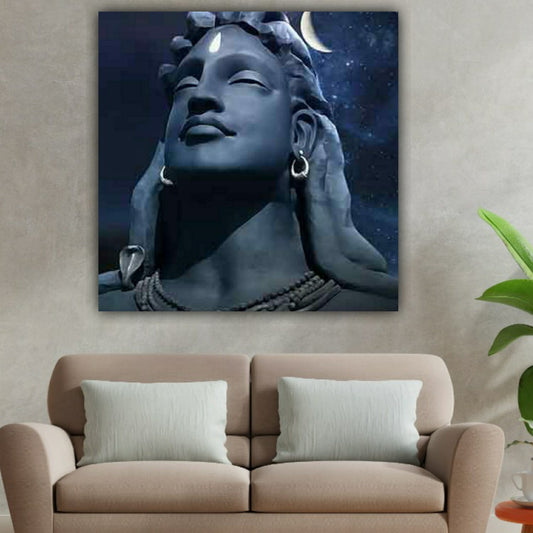
Lord Shiva Moonlight Meditation Wall Painting | Adiyogi Shiva Canvas Art
Regular price From ₹ 1,289.00Regular priceUnit price per₹ 2,789.00Sale price From ₹ 1,289.00Lord Shiva Moonlight Meditation Wall Painting | Adiyogi Shiva Canvas Art
Regular price From ₹ 1,289.00Regular priceUnit price per₹ 2,789.00Sale price From ₹ 1,289.00Lord Shiva Moonlight Meditation Wall Painting | Adiyogi Shiva Canvas Art
Regular price From ₹ 1,289.00Regular priceUnit price per₹ 2,789.00Sale price From ₹ 1,289.00Sale -
Meditating Lord Shiva Canvas Wall Art for Spiritual Home Decor
Regular price From ₹ 1,289.00Regular priceUnit price per₹ 2,789.00Sale price From ₹ 1,289.00Meditating Lord Shiva Canvas Wall Art for Spiritual Home Decor
Regular price From ₹ 1,289.00Regular priceUnit price per₹ 2,789.00Sale price From ₹ 1,289.00Meditating Lord Shiva Canvas Wall Art for Spiritual Home Decor
Regular price From ₹ 1,289.00Regular priceUnit price per₹ 2,789.00Sale price From ₹ 1,289.00Sale -
Lord Shiva Cosmic Third Eye Canvas Wall Art for Spiritual Modern Interiors
Regular price From ₹ 1,289.00Regular priceUnit price per₹ 2,789.00Sale price From ₹ 1,289.00Lord Shiva Cosmic Third Eye Canvas Wall Art for Spiritual Modern Interiors
Regular price From ₹ 1,289.00Regular priceUnit price per₹ 2,789.00Sale price From ₹ 1,289.00Lord Shiva Cosmic Third Eye Canvas Wall Art for Spiritual Modern Interiors
Regular price From ₹ 1,289.00Regular priceUnit price per₹ 2,789.00Sale price From ₹ 1,289.00Sale -
Third Eye Lord Shiva Canvas Painting | Painting for Living Room Decor
Regular price From ₹ 1,289.00Regular priceUnit price per₹ 2,789.00Sale price From ₹ 1,289.00Third Eye Lord Shiva Canvas Painting | Painting for Living Room Decor
Regular price From ₹ 1,289.00Regular priceUnit price per₹ 2,789.00Sale price From ₹ 1,289.00Third Eye Lord Shiva Canvas Painting | Painting for Living Room Decor
Regular price From ₹ 1,289.00Regular priceUnit price per₹ 2,789.00Sale price From ₹ 1,289.00Sale -
Shiva Shankara Painting Frame for Living Room Wall Decor
Regular price From ₹ 1,289.00Regular priceUnit price per₹ 2,789.00Sale price From ₹ 1,289.00Shiva Shankara Painting Frame for Living Room Wall Decor
Regular price From ₹ 1,289.00Regular priceUnit price per₹ 2,789.00Sale price From ₹ 1,289.00Shiva Shankara Painting Frame for Living Room Wall Decor
Regular price From ₹ 1,289.00Regular priceUnit price per₹ 2,789.00Sale price From ₹ 1,289.00Sale -
Shiva Adiyogi Painting Wall Decor for Living Room
Regular price From ₹ 1,289.00Regular priceUnit price per₹ 0.00Sale price From ₹ 1,289.00Shiva Adiyogi Painting Wall Decor for Living Room
Regular price From ₹ 1,289.00Regular priceUnit price per₹ 0.00Sale price From ₹ 1,289.00Shiva Adiyogi Painting Wall Decor for Living Room
Regular price From ₹ 1,289.00Regular priceUnit price per₹ 0.00Sale price From ₹ 1,289.00 -
Lord Shiva Painting Canvas wall Frame for Living Room Wall Decor
Regular price From ₹ 1,289.00Regular priceUnit price per₹ 2,789.00Sale price From ₹ 1,289.00Lord Shiva Painting Canvas wall Frame for Living Room Wall Decor
Regular price From ₹ 1,289.00Regular priceUnit price per₹ 2,789.00Sale price From ₹ 1,289.00Lord Shiva Painting Canvas wall Frame for Living Room Wall Decor
Regular price From ₹ 1,289.00Regular priceUnit price per₹ 2,789.00Sale price From ₹ 1,289.00Sale -
Lord Shiva Painting Canvas wall Frame for Wall Decor
Regular price From ₹ 1,289.00Regular priceUnit price per₹ 2,789.00Sale price From ₹ 1,289.00Lord Shiva Painting Canvas wall Frame for Wall Decor
Regular price From ₹ 1,289.00Regular priceUnit price per₹ 2,789.00Sale price From ₹ 1,289.00Lord Shiva Painting Canvas wall Frame for Wall Decor
Regular price From ₹ 1,289.00Regular priceUnit price per₹ 2,789.00Sale price From ₹ 1,289.00Sale -
Lord Adiyogi Painting Canvas wall Frame for Wall Decor
Regular price From ₹ 1,289.00Regular priceUnit price per₹ 2,789.00Sale price From ₹ 1,289.00Lord Adiyogi Painting Canvas wall Frame for Wall Decor
Regular price From ₹ 1,289.00Regular priceUnit price per₹ 2,789.00Sale price From ₹ 1,289.00Lord Adiyogi Painting Canvas wall Frame for Wall Decor
Regular price From ₹ 1,289.00Regular priceUnit price per₹ 2,789.00Sale price From ₹ 1,289.00Sale




Invite Divine Power with Shiv Paintings
Lord Shiva—the destroyer of evil, the transformer, the supreme yogi—holds a unique place in Hindu spirituality. A Shiv painting in your home isn't merely decoration; it's an invitation for divine protection, spiritual transformation, and the powerful energy of the Mahadev. Whether you seek inner peace through meditation, protection from negative forces, or the courage to overcome life's challenges, Shiva's presence brings profound spiritual benefits.
At The Seven Colours, our Shiv paintings collection celebrates the many forms and aspects of Lord Shiva. From the serene meditating yogi to the fierce Nataraja, from the compassionate family man with Parvati to the powerful destroyer of demons, each painting captures different facets of this complex and beloved deity.
The Spiritual Significance of Lord Shiva
Shiva represents the ultimate reality—the consciousness that pervades everything. As the destroyer in the Hindu trinity, he doesn't destroy for the sake of destruction but transforms and renews, making way for new creation. This makes Shiva wall art particularly powerful for those going through transitions, seeking to break free from limitations, or wanting to transform negative patterns into positive growth.
Devotees find that having a Shiva painting in their space creates an atmosphere of spiritual power, protection, and transformation. The image serves as a focal point for meditation, a reminder of inner strength, and a source of divine energy that helps navigate life's challenges with grace and courage.
Popular Forms of Shiva in Art
Meditating Shiva (Dhyana Mudra): Perhaps the most peaceful representation, meditating Shiva paintings show the Lord in deep meditation, often seated in lotus position with eyes closed or half-open in meditative gaze. The Himalayas form the backdrop, the Ganga flows from his matted locks, and the crescent moon adorns his head. This form represents inner peace, spiritual wisdom, and the power of meditation.
Benefits of Meditating Shiva: Promotes peace and mental clarity, enhances meditation practice, reduces stress and anxiety, brings spiritual wisdom, and creates a calming atmosphere perfect for prayer rooms or meditation spaces.
Nataraja (Cosmic Dancer): The Nataraja painting depicts Shiva performing the Tandava, the cosmic dance of creation and destruction. Surrounded by a ring of fire, standing on the demon of ignorance, with one foot raised and multiple arms in symbolic mudras, this dynamic image represents the eternal cycle of creation, preservation, and dissolution.
Nataraja Symbolism: The drum in his hand represents creation, the fire represents destruction, the raised foot represents liberation, the lowered foot represents grace, and the dance itself represents the rhythm of the universe. This powerful image is excellent for those seeking transformation, artists, dancers, or anyone wanting to embrace life's constant changes.
Shiva with Parvati (Ardhanarishvara): Paintings showing Shiva with his consort Parvati represent the perfect balance of masculine and feminine energies, the union of consciousness and energy (Purusha and Prakriti). Sometimes depicted as Ardhanarishvara (half Shiva, half Parvati in one body), these images symbolize completeness and divine partnership.
Benefits for Relationships: Promotes harmony in marriage and partnerships, balances masculine and feminine energies within oneself, attracts love and companionship, and creates positive energy for family life. Ideal for bedrooms or living spaces.
Shiva with Nandi: Nandi, the sacred bull, is Shiva's vahana (vehicle) and devoted servant. Shiva Nandi paintings represent loyalty, strength, and the importance of devotion. Nandi also symbolizes dharma (righteousness) and the soul's journey toward the divine.
Fierce Shiva (Rudra Form): Depicting Shiva in his fierce, destructive aspect—eyes blazing, trident raised, serpents coiled around his body. This form represents the power to destroy evil, overcome enemies, and break through obstacles. While intense, this imagery is powerful for protection and removing negative influences.
Shiva Lingam: The abstract representation of Shiva as the cosmic pillar of light. Shiva Lingam paintings often show the lingam with the Ganga flowing over it, surrounded by flowers and offerings. This form represents the formless aspect of divinity and is deeply sacred in Shaivite tradition.
Symbolic Elements in Shiva Paintings
Third Eye (Ajna Chakra): Shiva's third eye represents wisdom, insight, and the ability to see beyond illusion. When depicted open, it symbolizes the destruction of ignorance and the awakening of spiritual vision.
Crescent Moon: The moon on Shiva's head represents the mind and its cycles. Shiva's control over the moon symbolizes mastery over the mind and emotions, essential for spiritual progress.
Ganga in Matted Locks: The holy river Ganga flowing from Shiva's hair represents purification, the flow of divine grace, and Shiva's role in bringing spiritual knowledge to earth. It also shows his compassion in breaking the Ganga's fall to protect the earth.
Serpent (Vasuki): The cobra coiled around Shiva's neck represents kundalini energy, control over fear and death, and the power of transformation. Snakes also symbolize time and eternity.
Trident (Trishul): Shiva's three-pronged weapon represents the three gunas (qualities of nature), the three aspects of time (past, present, future), and the power to destroy the three types of suffering (physical, mental, spiritual).
Damaru (Drum): The small drum represents the sound of creation (Nada Brahma), the rhythm of the universe, and the power of sound in manifestation.
Tiger Skin: Shiva's tiger skin seat or clothing represents victory over ego and animal nature, as well as his role as the supreme yogi who has conquered all desires.
Rudraksha Beads: The sacred beads worn by Shiva represent spiritual power, protection, and connection to the divine. Rudraksha literally means "Shiva's tears" and carries his blessings.
Colors in Shiva Paintings
Blue (Neelkanth): Shiva's blue throat, earned when he drank the poison during the churning of the ocean to save the universe, represents sacrifice, protection, and the ability to transform poison into nectar. Blue Shiva paintings are particularly powerful for protection and overcoming difficulties.
White/Ash Gray: Shiva covered in sacred ash (vibhuti) represents purity, detachment from material world, and the ultimate truth that everything returns to ash. White Shiva paintings promote spiritual purity and renunciation of ego.
Orange/Saffron: The color of fire and transformation, often used in backgrounds or Shiva's clothing. Represents spiritual fire, transformation, and the destruction of ignorance.
Dark/Black: Sometimes used to represent Shiva's formless, infinite nature or his fierce aspects. Black backgrounds can create dramatic, powerful imagery emphasizing Shiva's cosmic nature.
Placement According to Vastu
Prayer Room (Pooja Room): The most traditional and auspicious placement for Shiva paintings is in your prayer room, ideally on the north or east wall. The image should face east or west, and you should face east or north while praying.
Northeast Corner: The Ishanya direction (northeast) is considered most sacred in Vastu and is ideal for spiritual imagery. A Shiva painting here enhances spiritual growth, meditation practice, and divine connection.
Living Room: Shiva paintings in the living room bring protective energy to the heart of your home. North or east walls are preferred. The image creates a spiritually charged atmosphere that influences everyone who enters.
Meditation Space: If you have a dedicated meditation area, a meditating Shiva painting creates the perfect focal point. The serene image helps deepen your practice and maintain focus.
Office/Workspace: For those seeking Shiva's blessings in professional life, a tasteful Shiva painting in your office can provide strength, wisdom in decision-making, and protection from obstacles. Choose more subtle, meditative forms for professional environments.
What to Avoid: Don't place Shiva images in bedrooms (unless it's a couple form with Parvati), bathrooms, or kitchens. Avoid placing them where feet might point toward the image while sleeping or sitting. Never place divine images on the floor or in disrespectful locations.
Shiva Paintings for Specific Intentions
For Spiritual Growth: Meditating Shiva in lotus position, Shiva in Samadhi, images emphasizing the third eye and spiritual symbols. Place in northeast corner or meditation space.
For Protection: Fierce Shiva with trident, Shiva with serpents, Rudra form. These powerful images protect against negative energies, evil eye, and obstacles. Place near entrance or in living room.
For Transformation: Nataraja (cosmic dancer), Shiva with fire, images emphasizing destruction and renewal. Perfect for those going through major life changes or seeking to break negative patterns.
For Relationships: Shiva with Parvati, Ardhanarishvara (half Shiva, half Parvati), family scenes with Ganesha and Kartikeya. Promotes harmony, balance, and divine partnership. Suitable for southwest direction.
For Peace & Calm: Serene meditating Shiva, Shiva in Himalayas, peaceful blue-throated Shiva. Creates calming atmosphere, reduces stress, promotes mental clarity.
For Overcoming Obstacles: Shiva with trident destroying demons, fierce forms, Shiva with Ganesha (the remover of obstacles). Helps overcome challenges, enemies, and difficulties.
Artistic Styles
Traditional Indian Art: Classical depictions following ancient iconographic guidelines, rich colors, detailed ornamentation, and traditional symbolism. These traditional Shiva paintings honor centuries of artistic and spiritual tradition.
Tanjore Style: South Indian art featuring gold foil work, rich colors, and raised embellishments. Tanjore Shiva paintings are opulent, traditional, and carry the weight of centuries-old artistic tradition.
Madhubani Folk Art: Bihar's distinctive folk style brings its characteristic bold lines, vibrant colors, and traditional patterns to Shiva imagery. These pieces are culturally rich and visually striking.
Modern/Contemporary: Contemporary artists reimagine Shiva in modern styles—abstract representations, minimalist designs, or fusion art. Perfect for those who want spiritual imagery that fits modern interiors.
Realistic/Photographic: Highly detailed, realistic paintings that capture Shiva with photographic precision. These create powerful, lifelike presence.
Cosmic/Mystical: Emphasizing Shiva's cosmic nature with galaxies, stars, and universal imagery. These paintings highlight Shiva as the consciousness pervading all existence.
Sizes for Every Space
Small Shiva Paintings (12-24 inches): Perfect for personal altars, office desks, or intimate prayer corners. These compact pieces create focused spiritual energy in smaller spaces.
Medium Paintings (24-36 inches): Ideal for prayer rooms, living room walls, and creating significant spiritual presence. Large enough to be focal points while fitting most spaces comfortably.
Large Statement Pieces (36-48+ inches): For spacious prayer rooms, large living areas, or when you want maximum spiritual impact. Large Shiva paintings command attention and create powerful energy in the space.
Mediums & Materials
Oil Paintings: Rich, luminous Shiva oil paintings offer traditional beauty and depth. The slow-drying nature allows for detailed work and subtle color transitions.
Acrylic Paintings: Vibrant, durable acrylic works provide brilliant colors and modern appeal. Excellent for both traditional and contemporary Shiva art.
Canvas Prints: High-quality Shiva canvas art makes beautiful spiritual imagery accessible. Gallery-wrapped canvases are ready to hang and bring instant divine presence.
Handmade Paintings: Original, hand-painted pieces carry the artist's devotion and unique spiritual energy. Each brushstroke is infused with reverence for the deity.
Caring for Your Shiva Painting
Treat your Shiva painting with respect and devotion. Dust gently with a soft, dry cloth, avoid direct sunlight that might fade colors, and keep away from moisture. Many devotees perform daily puja to their Shiva paintings, offering flowers (especially bilva leaves), incense, and prayers.
Some traditional practices include offering water, milk, or honey to Shiva images (though not directly on paintings—use a separate Shiva Lingam or murti for abhishekam). The painting itself can receive flower offerings, incense, and the light of oil lamps or candles.
Auspicious Times for Installation
While Shiva can be worshipped any time, certain days and times are considered especially auspicious for installing Shiva paintings. Mondays (Somvar) are sacred to Shiva, as is Pradosh (the twilight period on the 13th day of each lunar fortnight). Maha Shivaratri, the great night of Shiva, is the most auspicious time for any Shiva-related spiritual practice.
Installing your Shiva wall painting on an auspicious day, with proper puja and positive intention, is believed to activate its spiritual power and invite Shiva's blessings into your space.
Gifting Shiva Paintings
A Shiva painting makes a deeply meaningful gift for spiritual seekers, devotees, housewarmings, or anyone facing challenges who could benefit from Shiva's protective and transformative energy. It's a gift that carries spiritual significance and becomes a cherished part of the recipient's spiritual practice.
Why Choose The Seven Colours?
Spiritual Authenticity: We understand that Shiva art is sacred imagery requiring proper iconography and respectful treatment. Our collection honors traditional symbolism while offering diverse artistic styles.
Quality Artistry: Whether handmade originals or premium prints, every Shiva painting meets our standards for artistic quality, accurate symbolism, and spiritual authenticity.
Diverse Selection: From traditional to contemporary, from peaceful to powerful, from small personal pieces to large statement works, our collection offers Shiva imagery for every devotee and space.
Respectful Handling: We treat all divine imagery with reverence throughout selection, storage, packaging, and shipping. Your sacred art is handled with the respect it deserves.
Pan-India Delivery: We ship Shiva paintings across India with careful packaging to ensure your divine artwork arrives in perfect condition, ready to bless your space.
Invoke the Power of Mahadev
Whether you're a devoted Shiva bhakta, a spiritual seeker, or someone drawn to the profound symbolism and power of Lord Shiva, our collection offers authentic, beautiful artwork that brings divine presence into your daily life.
Har Har Mahadev! Browse our Shiva paintings and invite the Lord's blessings into your home!
Frequently Asked Questions
Q1: Which form of Shiva is best for home?
Meditating Shiva is ideal for most homes, promoting peace and spiritual growth. Shiva with Parvati works well for family harmony. Choose based on your spiritual goals and the energy you want to create.
Q2: Can I place Shiva painting in bedroom?
Traditionally, it's better to avoid placing Shiva images in bedrooms unless it's a couple form (Shiva-Parvati) which can bless relationships. Prayer room or living room are more appropriate.
Q3: Which direction should Shiva painting face?
Shiva paintings should ideally face east or west. Place them on north or east walls of your prayer room or northeast corner for maximum spiritual benefit.
Q4: What offerings should I make to Shiva painting?
Offer bilva (bel) leaves, white flowers, incense, oil lamps, and water. Mondays are especially auspicious for Shiva worship. Chanting "Om Namah Shivaya" while offering is traditional.
Q5: Is Nataraja painting good for home?
Yes! Nataraja represents cosmic dance and transformation. It's excellent for those embracing change, artists, dancers, or anyone wanting to flow with life's rhythms. Place in living room or creative spaces.
Q6: Can Shiva painting protect from negative energy?
Yes, Shiva is known as the destroyer of evil and protector of devotees. Fierce forms of Shiva are particularly powerful for protection. Regular worship enhances protective energy.
Q7: What's the significance of blue-throated Shiva?
The blue throat (Neelkanth) represents Shiva's sacrifice in drinking poison to save the universe. It symbolizes protection, the ability to transform negativity, and selfless service.
Q8: Should I do puja before installing Shiva painting?
While not mandatory, performing a simple puja during installation is auspicious. Clean the space, offer flowers and incense, chant mantras, and set positive intentions to activate the painting's spiritual energy.
Q9: Can I have multiple Shiva paintings in one home?
Yes, but ensure each is placed respectfully and receives proper attention. It's better to have one well-maintained, regularly worshipped image than multiple neglected ones.
Q10: What's the best day to buy or install Shiva painting?
Mondays (Somvar) are sacred to Shiva. Pradosh days (13th day of lunar fortnight) and Maha Shivaratri are especially auspicious for any Shiva-related activities.
Q11: Are there any Shiva images to avoid at home?
Avoid extremely fierce or destructive forms unless you're specifically seeking that energy and understand how to work with it. Very intense imagery might create unsettling energy for some people.
Q12: How do I dispose of old or damaged Shiva painting?
Never throw divine images in trash. Perform a small ceremony, thank the image for its service, then either immerse it respectfully in flowing water or bury it in clean earth. Some temples accept old religious items for proper disposal.
Om Namah Shivaya! Bring the power and grace of Lord Shiva into your home—explore our collection now!
Related Collections: Religious Paintings | Canvas Painting | Home Decor | Spiritual Art